


Curtis Dayson | March 30, 2026 | Personal Injury | Last Updated May 12, 2026
Key Takeaways:
- Injury liability in after-school programs depends on what happened, who was responsible, and whether the situation could have been prevented.
- Not every injury leads to a claim, but certain situations may raise concerns about supervision or safety.
- Some after-school program student injury cases involve factors that aren’t obvious at first, like missed warning signs or unsafe conditions.
- A student injury lawyer may review the details to determine whether something broke down in how the program was run.
You drop your kid off or watch them walk onto a school bus, give a quick wave goodbye, and trust everything is handled.
But then something happens. A fall. An injury. A call you weren’t expecting. Every parent’s worst nightmare.
And suddenly, you’re left asking who’s responsible. You’re rushing from work or home to get to your child. You want answers.
That’s where injury liability in after-school programs starts to come into focus. Kids do get hurt – that part isn’t unusual – but sometimes there’s more behind it.
Let’s dig deeper into understanding how after-school injury liability plays out.
Who Can Be Held Responsible for a Student Injury?
It’s not always one person.
Sometimes, it’s obvious. A staff member wasn’t paying attention. A rule wasn’t followed. Other times, it’s less clear.
Responsibility can fall on the program itself. The school. Even a third-party group is running the activity.
That’s why injury liability in after-school programs can get complicated fast.
You might be looking at:
- Staff supervision (or a lack of it)
- Program policies
- Outside vendors or coaches
In some after-school program student injury cases, more than one party may share responsibility. That’s where things start to overlap.
A student injury lawyer may look at how the program was structured – who was in charge, what expectations were in place, and where things may have broken down.
Because when something goes wrong, it’s not just about who was there.
It’s about who was responsible for keeping kids safe.
Common Causes of Injuries in After-School Programs
Some patterns show up more than others.
Nothing unusual at first glance. Kids running around. Kids being kids.
But certain situations recur when injury liability in after-school programs is involved.
Things like:
- Not enough supervision
- Unsafe or broken equipment
- Activities that aren’t age-appropriate
- Overcrowded spaces
On their own, these might seem minor.
But stacked together? That’s when risk builds.
In many after-school program student injury cases, the issue isn’t a single moment. It’s a series of small things that weren’t addressed.
That’s where professional negligence attorneys may start looking closer – not just at what happened, but what was allowed to happen leading up to it.
Because school injuries don’t always come out of nowhere.
Sometimes, the warning signs were already there.
What Is Considered Negligence in These Situations?
Negligence isn’t always obvious.
It usually shows up in small gaps. Things that should’ve been handled… but weren’t.
In injury liability in after-school programs, that often comes down to supervision and basic safety.
Was someone watching?
Were known risks ignored?
Were rules actually followed?
It doesn’t have to be extreme.
Sometimes, it’s as simple as a staff member being distracted. Or equipment that should’ve been fixed but wasn’t.
Over time, those small misses add up.
In some after-school program student injury cases, negligence is tied to patterns – not just one moment, but repeated oversights.
That’s where professional negligence attorneys may step in and take a closer look at how the program was run overall.
Because negligence isn’t just about what happened.
It’s about what should have happened, but didn’t.
Examples of Situations That May Raise Liability Concerns
Not every injury points to a problem.
But some situations raise more questions than others.
Patterns start to show up in injury liability in after-school programs when certain conditions are present. Things that, looking back, feel preventable.
For example:
- A child is injured during an activity with little or no supervision
- The equipment was damaged or unsafe, but was still being used
- Staff didn’t follow established safety procedures
- Too many children were assigned to one supervisor
- A known issue wasn’t addressed in time
Individually, these might seem small.
But in many situations that involve after-school injuries, it’s the combination of these factors that matters.
That’s often where student injury lawyers start asking deeper questions about how the program was managed overall.
Because liability usually isn’t about one moment.
It’s about the conditions that allowed that moment to happen.
How Injury Claims in After-School Programs Are Evaluated
This is where everything gets pulled apart.
What happened.
What should’ve happened.
And what connects the two?
Injury liability in after-school programs gets evaluated by looking at details – timelines, supervision, and the environment itself:
- Was the activity appropriate?
- Was there enough oversight?
- Were safety measures in place?
In after-school program student injury cases, it’s not just about the injury. It’s about how it happened and whether it could have been prevented.
That’s where documentation comes in:
- Reports
- Photos
- Witness accounts
A student injury lawyer may use all of this to build a clearer picture of what actually took place.
Because without that context, it’s just an incident.
With it, it becomes something that can be evaluated.
When Should You Speak With a Lawyer?
Sooner than most people think.
Not because every situation turns into a case, but because waiting can make things harder.
Details fade. Memories shift. Records get harder to track down.
In injury liability in after-school programs, timing can matter more than expected.
If something doesn’t sit right, it’s usually worth asking questions early.
A student injury lawyer can take a look at what happened and help you figure out whether it’s something that needs further attention.
In more complex situations, professional negligence attorneys may also be involved, especially when multiple factors are at play.
You don’t need to have everything figured out.
You just need a place to start.
And sometimes, that starts with a conversation.
Get Your Free Case Review
If something doesn’t sit right, it’s worth asking questions.
DSB Law Firm works closely with families to understand what happened and where things may have gone wrong. They take the time to look at the details and help you make sense of your options.
If your child was injured in an after-school program, reach out today for a free consultation and get clear answers about what comes next.
*Dayson Shalabi Burkett Law Firm, LLC cannot guarantee results for any client. The results on this website are specific to our client’s case facts and legal circumstances. It does not necessarily mean similar results are obtainable for other clients. The settlement personal injury amount examples below should not be used to expect us to obtain the same results for other clients in similar matters without referencing the specific facts of each client’s case. Also, these results are not intended to compare one lawyer’s services with another.
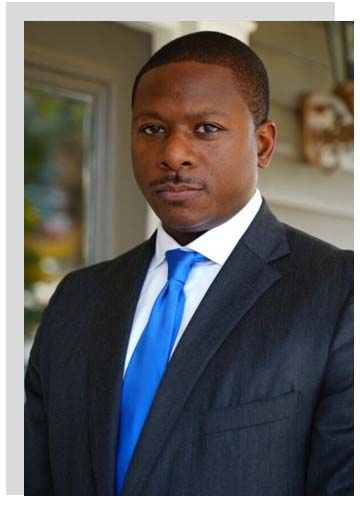
Curtis Dayson represents people who have been seriously injured by the negligent acts of others or have been injured on the job. Born in Charleston, South Carolina, Curtis was raised by a pastor and an executive secretary who instilled the importance of ethical leadership and responsibility in him. After learning about the dirty games insurers play and the large number of cases many personal injury attorneys at large firms are working on at any given time, Curtis started his own practice to focus on fewer cases and to ensure his injured clients receive all they deserve.