


Ramie Shalabi | February 13, 2025 | Uncategorized | Last Updated September 17, 2026
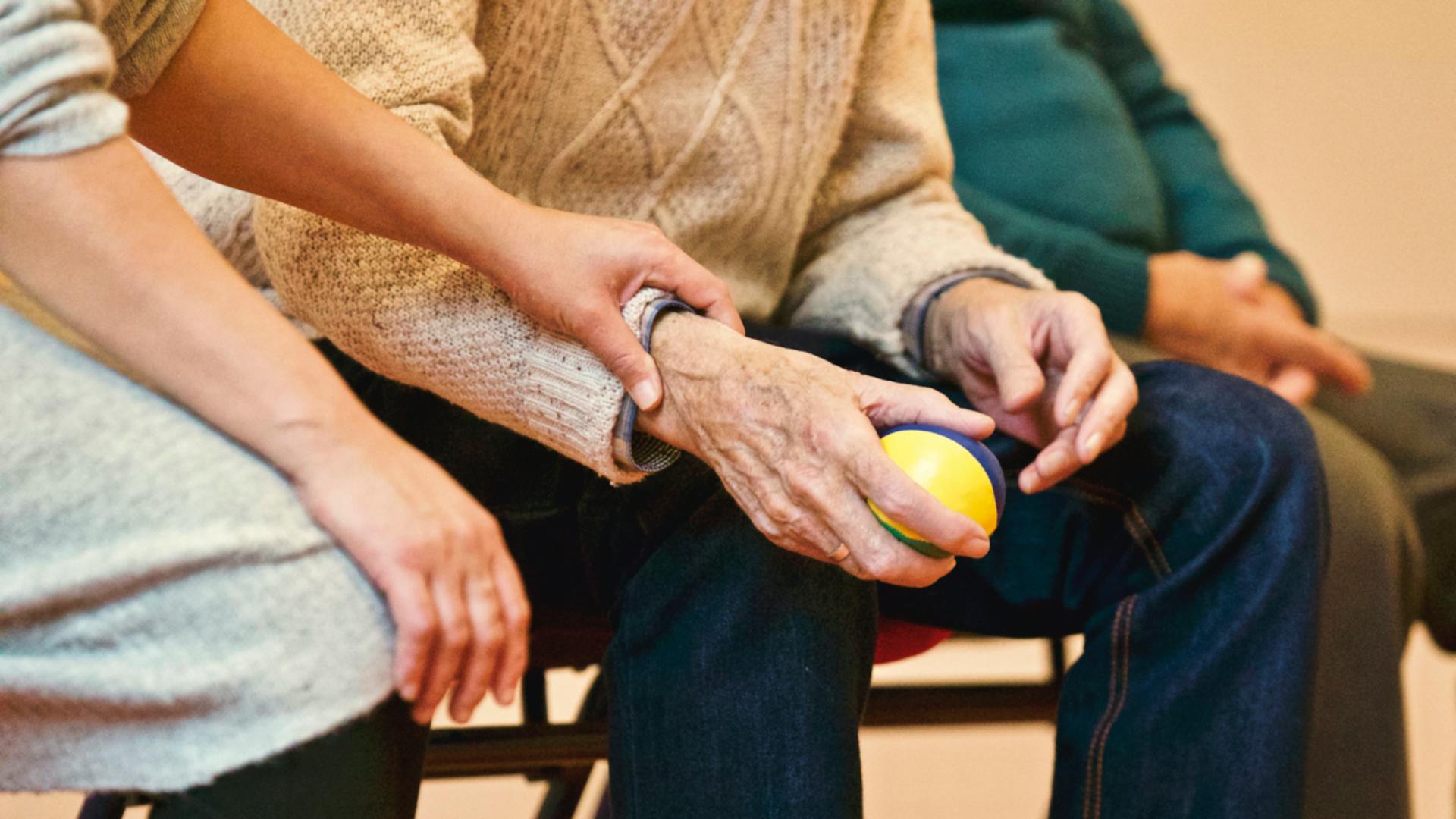
Caring for elderly parents can be daunting for adult children juggling busy lives. At times, it feels like an uphill climb. The challenge grows when older loved ones need the specialized attention only trained medical staff can provide.
Contrary to what you may hear, many assisted living facilities provide excellent care to their senior residents. Appallingly, neglect and abuse are commonplace at some facilities.
Whether you suspect or know your loved ones aren’t receiving adequate care, it’s time to get a nursing home abuse attorney in Charleston involved. Find out what is considered nursing home neglect or abuse and how to report it.
What Are the Four Types of Elder Abuse?
Tragically, residents of long-term care facilities often face harm in various ways. It’s heartbreaking. Whether you or someone close to you is affected, understanding the types of these violations and their distinctions is crucial for seeking justice. Know this. Recognizing the signs is the first step toward taking legal action.
1. Physical Abuse
This type of mistreatment can happen in many ways, including when a worker slaps, pushes, or strikes a resident. However, as nursing home abuse attorneys in Charleston, we know that other forms of physical abuse can exist, including improperly restraining a patient.
Signs of physical abuse:
- Bruising on the body or face
- Broken bones
- Cuts or scratches
- Marks on wrists or legs, potentially indicating forceful restraining occurred
- A caregiver refusing or otherwise not leaving you alone with a resident
2. Sexual Abuse
As disturbing as it seems, one of the four types of elder abuse can be of a sexual nature. Sexually inappropriate behavior or actions can involve nursing home staff. Shockingly, sexual abusers may also include nursing home visitors and other residents.
Signs of sexual abuse:
- Difficulty standing, sitting, or walking
- Bruising around the genital or inner thigh areas
- Pain when using the bathroom
- Sudden withdrawal
- Strange, sometimes sexual or fearful behavior around another resident or staff member
3. Mental and Emotional Abuse
As someone who has watched another go through mental abuse will tell you, it’s not always easy to know this is happening. Sometimes, the effects of emotional abuse are more complex to notice than the sometimes apparent signs of physical abuse, such as cuts or bruises.
Common signs of mental abuse are:
- Being suddenly withdrawn
- Losing interest in favorite activities
- Depression
- Anxiousness
4. Financial Abuse
Thinking that the four types of elder abuse are only physical and mental is understandable. However, another form exists, and it’s known as financial abuse. What is it? It occurs when someone targets a nursing home resident to steal their money or valuable belongings.
Examples of financial abuse:
- Sudden, unexplainable deductions from bank accounts
- Coercement into signing legal documents (typically including the suspect as a beneficiary)
- Stolen cash
What is Considered Nursing Home Neglect?
Besides the four types of elder abuse, another issue nursing home residents face is neglect. Neglect is also abuse. However, as nursing home abuse lawyers in Charleston understand, neglect vs. abuse can be a confusing subject.
Signs of nursing home neglect involve what someone isn’t doing instead of what they are doing. Negligence means depriving someone of care. Examples of neglect can include:
- Unhygienic conditions
- Soiled clothes and bedding
- Excessive thirst or hunger
- Sudden weight loss
- Unexplained bruises (potentially from falling)
Dayson Shalabi Burkett Law Firm (DSB), LLC, is a team of nursing home abuse attorneys in Charleston, SC, that stands up for victims of neglect in nursing homes.
How Do I Report Abuse in a Nursing Home in Charleston, SC?
Is someone you love being mistreated? It’s time to take action. How? Follow these steps to report nursing home abuse.
Gathering Evidence
The foundation of any claim or report involving nursing home abuse is evidence. What counts as evidence varies but typically includes:
- Photos
- Videos
- Witness statements
Are you unsure about what is considered nursing home neglect or abuse? Speak with a nursing home abuse attorney in Charleston, SC. We’ll review the details of your case and the evidence to determine whether abuse is occurring.
Reporting and Filing a Complaint Against a Nursing Home
The next step in how to report abuse in a nursing home in Charleston involves documenting what you witness or suspect to management. Who you speak to may include a floor supervisor or similar head of staff. Ideally, letting someone else know what’s happening could prevent future bouts of abuse.
It’s time to learn how to file a complaint against a nursing home. This step can involve an independent, state-based agency investigating a care facility in South Carolina. Your first option is to contact the Long-Term Care Ombudsman, who investigates neglect or exploitation in licensed nursing homes.
You can also utilize South Carolina’s Report It! Feature on the South Carolina Department of Public Health website. This digital tool lets you file complaints against facilities, professionals, services, and other areas of concern, including reporting abuse in a Charleston nursing home.
Note: If you witness severe measures toward a nursing home resident, especially ones that violate the law, such as assault, contact local law enforcement or dial 911 immediately.
Contacting a Nursing Home Attorney in Charleston, SC
Whether you or a loved one is a victim of one of the four types of elder abuse or nursing home neglect, lawyers can provide guidance while standing up against the responsible person and facility.
Choose DSB as your nursing home attorneys in Charleston for:
- An experienced law firm
- Lawyers who take a personalized approach
- A law firm that doesn’t receive a payment unless you do
- A tight-knit legal team of proud South Carolinians
It can make anyone angry to see a loved one display potential signs of nursing home neglect or abuse. Don’t let it go unanswered. Get a free consultation with the Charleston nursing home attorneys at DSB. We can help you file a complaint against a nursing home.
FAQs
What should I do if a nursing home denies neglect after I raise concerns?
Keep detailed records of every conversation, photograph any visible signs, and request incident reports in writing. Facilities sometimes downplay neglect to avoid liability, so filing an outside report with the Long Term Care Ombudsman or South Carolina’s Report It! tool creates an official record. Speaking with an attorney early can help determine whether the denial itself points to a larger pattern of neglect.
Is there a deadline for filing a nursing home abuse claim in South Carolina?
South Carolina law sets specific filing deadlines for nursing home abuse and neglect claims, and missing that window can prevent recovery. Because deadlines can vary depending on the type of claim and when the harm was discovered, it’s best to have a local attorney review your timeline of events as soon as possible rather than assume how much time remains.
Can I still file a claim if my loved one has already passed away?
Yes, families can often pursue a wrongful death or survival claim if a loved one died as a result of neglect or abuse in a care facility. These cases require close review of medical records and staffing history to establish what happened in the final weeks or months. An attorney can help determine whether the circumstances support this type of claim.
Should I contact a lawyer before or after reporting suspected abuse to the facility?
You can do both at the same time. Reporting concerns to facility management or the Ombudsman creates an official record, while talking with an attorney early helps you understand what evidence to preserve and what questions to ask staff. Waiting too long to involve a lawyer can make it harder to gather witness statements or document injuries before they heal.
What happens during a free consultation with a nursing home abuse attorney in Charleston, SC?
During a free consultation, DSB Law Firm reviews the details of your situation, discusses the signs of abuse or neglect you’ve observed, and explains what evidence would strengthen a potential claim. There’s no obligation and no upfront cost, and the goal is to give you a clear picture of your options before deciding whether to move forward.
How long does a nursing home neglect case typically take to resolve?
Most nursing home neglect cases take well over a year to resolve, since they involve gathering medical records, facility staffing history, and often expert review before a claim can be filed or negotiated. Cases that go to trial generally take longer than those that settle. An attorney can give a more specific estimate once they understand the details of your case.
Why choose a local Charleston attorney instead of a large national firm for a nursing home abuse case?
A boutique, local firm can give a nursing home abuse case personal attention rather than treating it as one of thousands of files. Attorneys familiar with South Carolina facilities, regulators, and courts often communicate more directly and move faster than a large national firm passing a case between departments. That hands-on approach matters most when a family is already under stress.
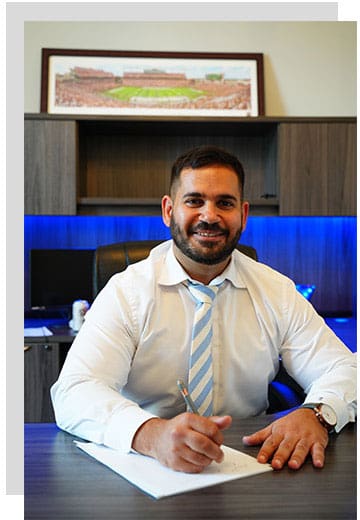
Ramie Shalabi is an experienced personal injury and workers’ compensation attorney who represents injured people across the state of South Carolina.