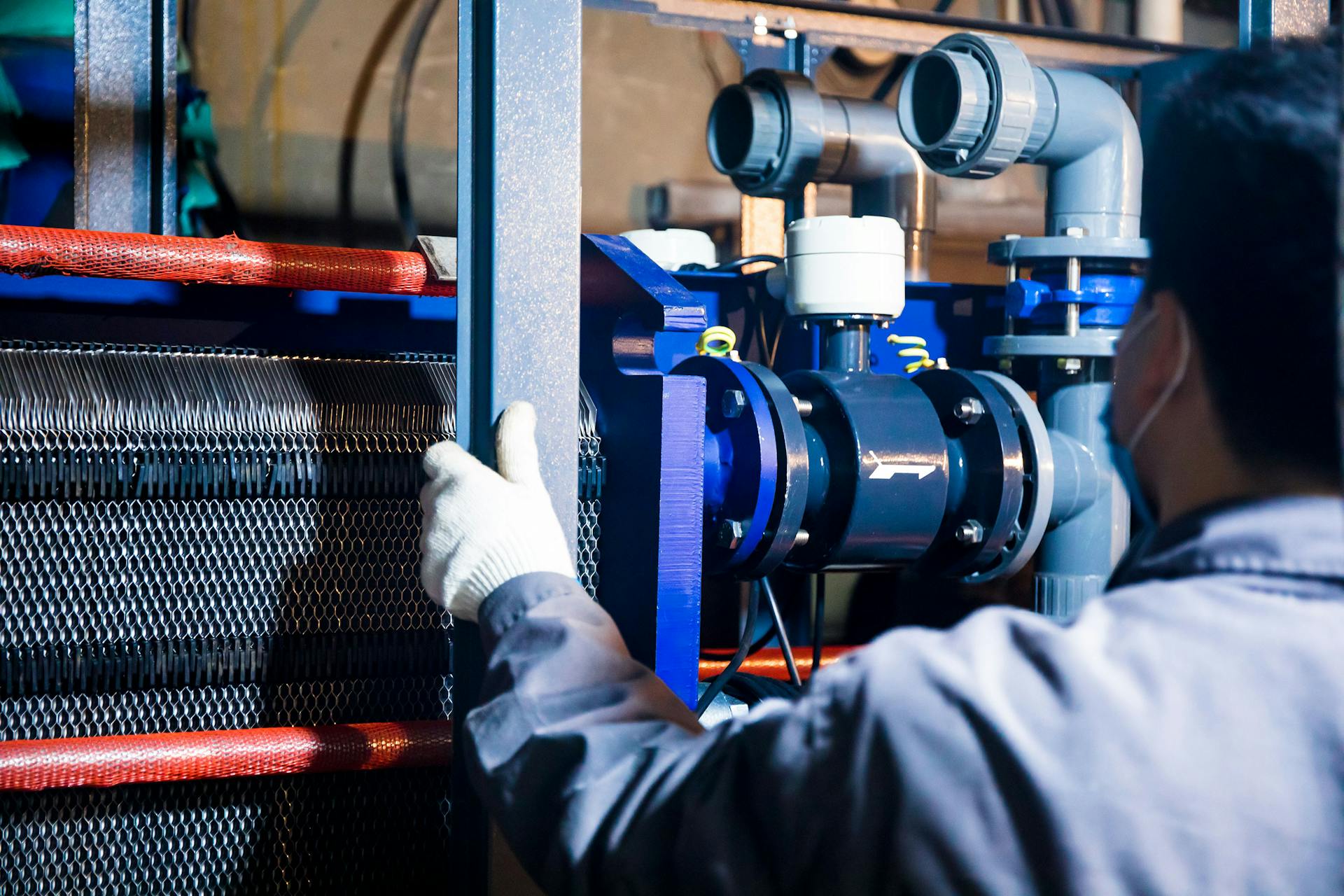
Manufacturing transmissions isn’t light work.
Heavy parts. Tight tolerances. Repetition that doesn’t stop just because you’re tired.
If you were injured while working at ZF Transmissions, you’re probably running through scenarios in your head of what this means. What to say. What not to say. These ZF Transmissions Manufacturing workers’ compensation FAQs are here to slow things down and answer the questions people usually ask after something goes wrong.
Most of the time, yes.
If you’re an employee and the injury happened while you were doing your job, workers’ compensation usually applies. Full-time. Part-time. Many temporary roles, too. Fault isn’t the focus. The work connection is.
That’s very common in this type of work.
Transmission manufacturing often involves repeated lifting, twisting, and precise hand movements. Over time, those demands can take a toll on the body. Gradual injuries usually show up in ZF Transmissions Manufacturing workers’ compensation FAQs, even when there isn’t a single moment workers can point to.
They can.
Transmission manufacturing demands precision and repetition. Joint pain, nerve issues, and loss of strength can develop slowly. If your job duties contributed to those injuries, you may still qualify.
That happens a lot.
Once your body cools down, symptoms can show up. Later that night. The next morning. Timing alone doesn’t break the work connection. You just have to notify your employer as soon as possible.
Yes.
Waiting to “see how it feels tomorrow” often causes more problems than it solves. Reporting early creates a record. Silence doesn’t.
The process usually starts moving.
You may be directed to medical treatment and asked to complete paperwork. Follow-up appointments and documentation often follow. Keeping copies and notes can help if questions come up later. If nothing happens, you should probably contact a workers’ compensation attorney.
Not all injuries are dramatic.
Back strain, joint pain, repetitive-motion injuries, and equipment-related injuries frequently appear in ZF Transmissions Manufacturing workers’ compensation FAQs, especially in physically demanding roles.
It helps, but it’s not a cure-all.
Medical treatment is usually covered. Partial wage replacement if you miss work. Sometimes, compensation for a lasting impairment or retraining can help if returning to your same role isn’t possible.
It’s rarely a single decision.
Employers, insurance carriers, and medical providers are usually involved. When they agree, claims tend to move faster. When they don’t, delays and disputes can occur.
Yes.
Missed deadlines. Paperwork issues. Disputes about cause. Denials are frustrating, and they’re a recurring topic in ZF Transmissions Manufacturing workers’ compensation FAQs for a reason.
Pay close attention.
Retaliation isn’t always apparent. Fewer hours. Different assignments. A sudden shift in tone. Employers aren’t allowed to punish workers for filing a claim, but subtle changes matter.
When the process stops making sense or takes a turn for the worse.
Delayed benefits. Conflicting answers. A denial that doesn’t feel right.

